Quick Summary
When comparing pergola vs. gazebo designs, homeowners often focus on shade, style, functionality, and how each structure complements the overall landscape. Pergolas create open and modern outdoor living spaces, while gazebos offer more enclosed protection and traditional charm. Understanding the differences between these structures can help homeowners choose the right feature for their property, lifestyle, and long-term outdoor goals.
What’s the difference between a pergola and a gazebo? The comparison between pergola vs. gazebo designs has become increasingly common as homeowners invest more in outdoor living spaces. Both structures add beauty, comfort, and functionality to a backyard, but they serve different purposes depending on the layout of the property and how the space will be used.
Outdoor structures can dramatically improve how a backyard functions throughout the year. Enhance your outdoor living space with custom patio and pergola design & installation in San Antonio, TX tailored to your home’s style and functionality needs.
Saylee Greer helps homeowners design outdoor spaces that balance aesthetics, comfort, and practicality while integrating structures naturally into the surrounding landscape.
What Is a Pergola?
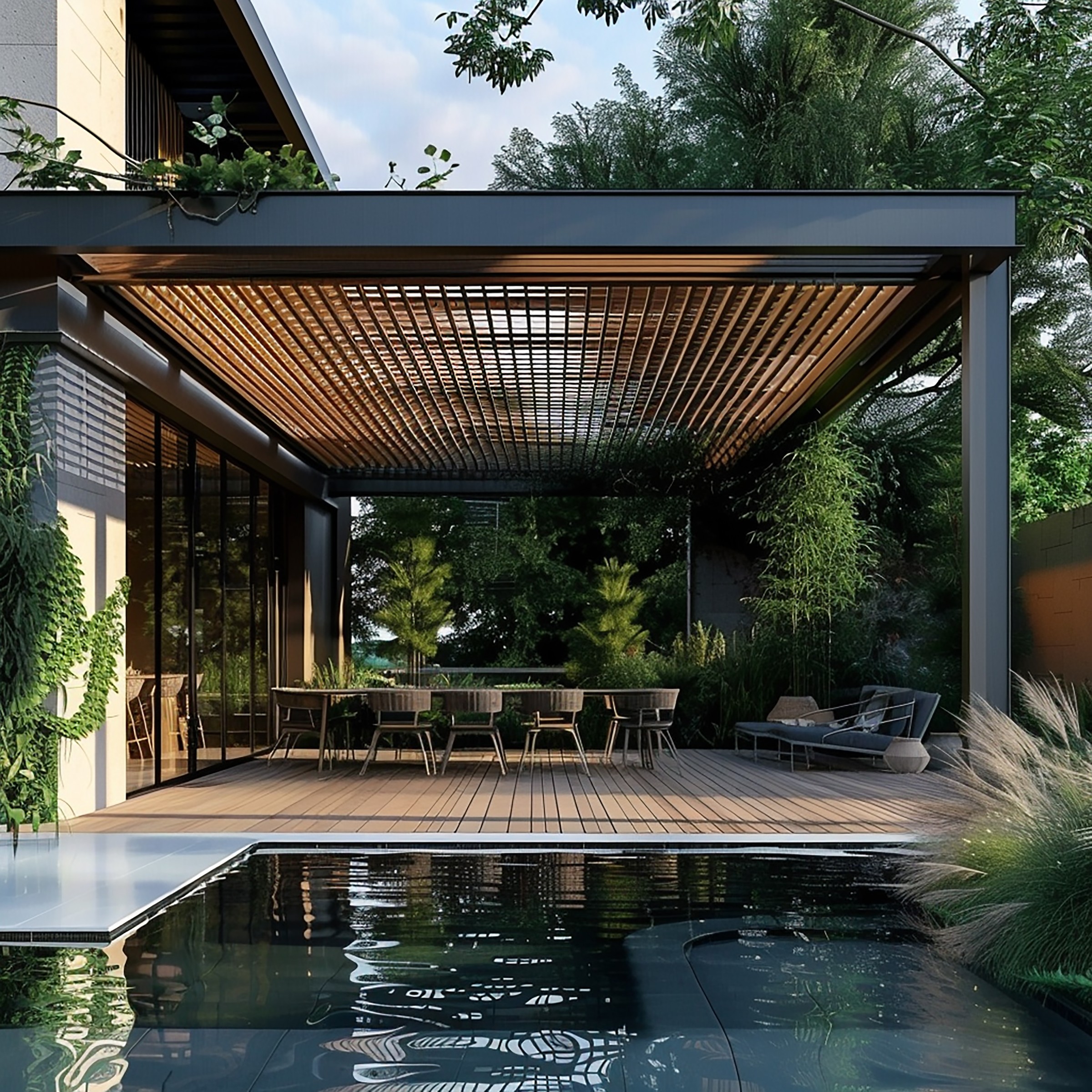
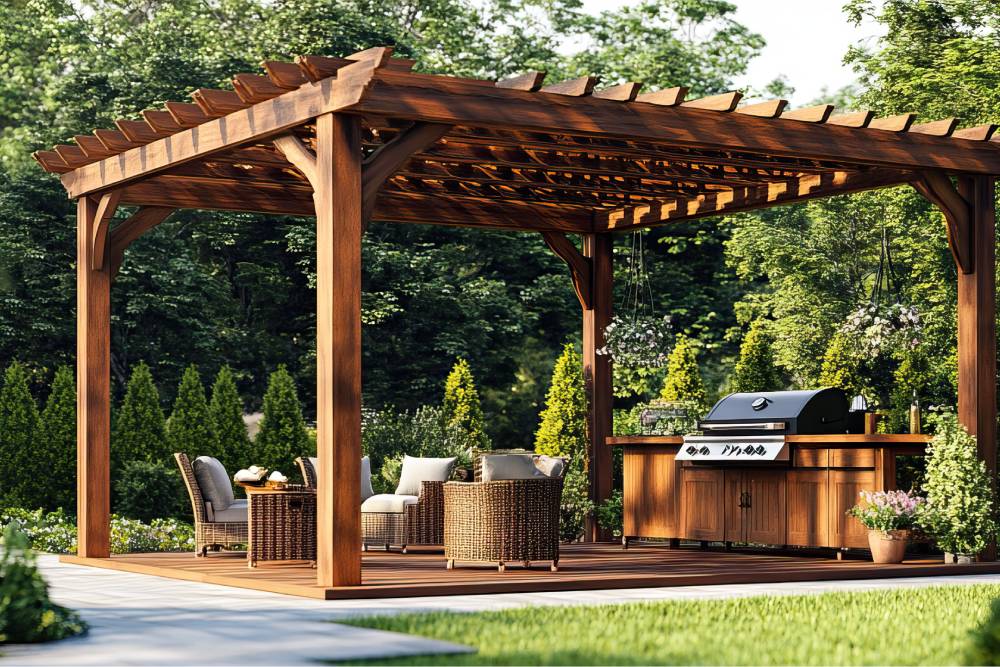
A pergola is an outdoor structure typically made with vertical posts that support an open roof system composed of beams or slats. Unlike fully covered structures, pergolas provide partial shade while still allowing sunlight and airflow to move through the space.
Pergolas are often used to define outdoor living areas without fully enclosing them. They create visual structure while maintaining an open and airy atmosphere that blends naturally with patios, gardens, pools, and entertainment spaces.
Modern pergolas are available in a wide range of materials, including wood, aluminum, steel, and composite products. Some designs also incorporate retractable canopies, lighting systems, fans, and climbing plants for additional comfort and customization.
One reason pergolas remain popular is their versatility. They work well in both contemporary and traditional landscape designs and can be customized to fit small courtyards or expansive backyard entertainment areas.
What Is a Gazebo?
A gazebo is a freestanding outdoor structure with a fully covered roof and open sides. Gazebos are often octagonal or circular in shape, although many modern designs feature square or rectangular layouts. Unlike pergolas, gazebos provide complete overhead protection from sun and rain.
Because of their enclosed roof design, gazebos create a more sheltered outdoor environment. Many homeowners use gazebos as quiet retreats, dining spaces, or focal points within larger garden landscapes.
Gazebos often have a more traditional appearance compared to pergolas. Decorative railings, detailed trim work, and elevated flooring are common features that contribute to their classic aesthetic.
The fully covered roof also makes gazebos practical for weather protection. Homeowners who want an outdoor structure that offers stronger shade coverage and shelter during changing weather conditions may prefer this option.
Pergola Vs. Gazebo: Understanding the Main Differences
When comparing gazebo vs. pergola structures, the most noticeable difference is the roof design. Pergolas feature open roof systems that provide filtered sunlight, while gazebos use solid roofs that create full coverage.
This difference affects how each structure functions within the landscape. Pergolas are often integrated into patios and outdoor entertainment areas because they create openness and visual connection with the surrounding environment. Gazebos, on the other hand, tend to function as standalone destinations within the yard.
Another major distinction is architectural style. Pergolas often support modern outdoor living trends because of their clean lines and customizable appearance. Gazebos generally lean toward a more traditional and decorative aesthetic.
Cost and installation complexity may also vary depending on the size, materials, and customization involved. Pergolas can sometimes be more adaptable for attached patio spaces, while gazebos may require more structural considerations due to their fully covered roofs.
Homeowners should also consider maintenance requirements. Wooden pergolas and gazebos both require ongoing care to protect against weather exposure, while aluminum or composite materials may offer lower maintenance alternatives.
Which Structure Works Better for Outdoor Entertaining?
For homeowners focused on outdoor entertaining, pergolas are often the preferred option because they integrate naturally with patios, outdoor kitchens, and lounge areas. Their open design allows spaces to feel connected rather than enclosed, making them ideal for larger social gatherings.
Pergolas also pair well with modern outdoor amenities such as landscape lighting, mounted televisions, outdoor audio systems, and fire features. Retractable shade systems and ceiling fans can further improve comfort during warmer months.
Gazebos provide a different type of entertaining environment. Their covered roofs create a more intimate atmosphere that works well for dining spaces, quiet seating areas, or garden retreats. They can also provide stronger protection during unexpected rain or intense sun exposure.
The best choice often depends on how the outdoor space will be used most frequently. Homeowners who host large gatherings may prefer the openness of a pergola, while those seeking a sheltered escape may lean toward a gazebo.
Climate and Property Layout Considerations
Climate plays an important role when deciding between pergola vs. gazebo structures. In warmer climates like San Antonio, pergolas are especially popular because they provide partial shade while still allowing airflow throughout the outdoor space.
Open-air structures help maintain comfort during hot weather while preserving the feeling of being outdoors. Additional features such as climbing vines, shade canopies, or integrated misting systems can further improve usability.
Gazebos may work better in properties where stronger weather protection is needed. The solid roof design can create more consistent shade coverage and protect outdoor furniture from direct exposure to rain and sunlight.
Property layout is another important consideration. Pergolas often work best when attached to patios or integrated into larger landscape plans. Gazebos may require more dedicated space because they typically function as separate standalone structures.
Choosing the Right Style for Long-Term Value
Outdoor structures should enhance both functionality and visual appeal over time. Homeowners often achieve the best long-term results by selecting designs that align with the home’s architecture and outdoor lifestyle needs.
Pergolas tend to support modern and transitional design styles because of their clean and customizable appearance. They can easily evolve with changing outdoor trends and often integrate seamlessly into contemporary backyard layouts.
Gazebos offer timeless appeal and may suit properties with more traditional architectural styles or garden-focused landscaping. Their enclosed roof design can also create a stronger sense of privacy and separation from the rest of the yard.
A simple way to narrow down the decision is to focus on daily functionality first. Thinking about how the structure will actually be used throughout the year often helps homeowners choose the option that delivers the greatest long-term satisfaction. Homeowners interested in custom outdoor living solutions can explore landscape and patio design services offered by Saylee Greer.
Create a custom outdoor space that matches your lifestyle, architecture, and entertainment goals. Saylee Greer designs high-end pergolas, patios, and outdoor living environments for homeowners throughout San Antonio and surrounding communities. Contact the team today to begin planning your outdoor transformation.
FAQs
A pergola features an open roof system that provides partial shade, while a gazebo has a fully covered roof that offers more complete weather protection.
Pergolas are often preferred for larger entertainment spaces because they create a more open layout that integrates easily with patios and outdoor kitchens.
A professionally designed gazebo can improve outdoor functionality, curb appeal, and buyer interest, especially when integrated into a cohesive landscape design.
Maintenance depends largely on the materials used. Aluminum and composite pergolas or gazebos generally require less upkeep than traditional wood structures.