Quick Summary
For most homeowners, pavers deliver stronger long-term value even though initial costs run higher. Concrete patios start cheaper but tend to develop cracks as time passes. Pavers bring stronger durability, simpler repair work, and a wider range of design styles. Concrete suits tight budgets. Pavers suit durability and low-maintenance expectations.
Planning an outdoor living area means material selection influences cost, lifespan, and overall look. The discussion around concrete patio vs. pavers helps clarify which direction fits your goals with more confidence.
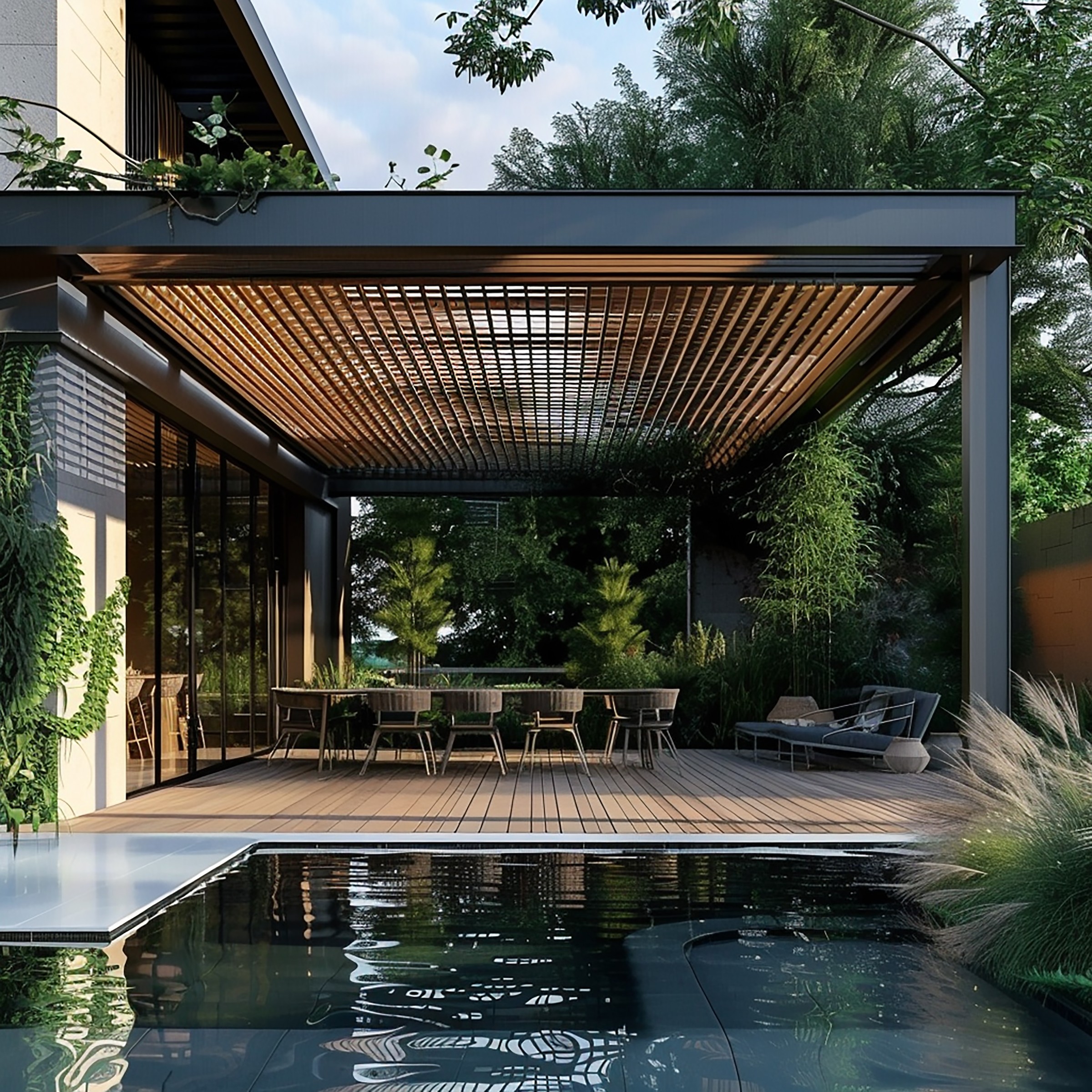
For homeowners seeking expert guidance, our custom patio and pergola design & installation in San Antonio, TX , delivers tailored solutions that match your property and lifestyle perfectly.
At Saylee Greer, LLC, we design and build outdoor spaces that combine beauty with lasting performance. Unlike general contractors, we manage every project phase from initial sketches to final construction. Our team of concrete patio contractors in San Antonio, TX
brings decades of hands-on experience to every slab and paver installation we complete.
Installation Process and Project Timelines
Concrete placement usually takes one to two days for a standard patio area. The crew frames the zone, mixes the material, pours it evenly, and then smooths the surface using finishing equipment.
Paver installation typically runs three to five days for a similar footprint. Workers excavate soil, construct a compacted gravel foundation, add sand bedding, and then position each unit manually. This method extends the schedule but gives more control over pattern and long-term adjustments.
Durability Comparison for Outdoor Surfaces
Concrete slabs often show cracking within two to five years due to soil shifts and temperature changes. These breaks can spread across large sections and trap debris over time.
Pavers handle ground movement better because each unit shifts independently. Minor settling may occur, yet the surface remains usable without large structural breaks forming.
Maintenance Requirements for Long-Term Performance
Concrete needs sealing every two years to block moisture intrusion and freeze-thaw stress. Without sealing, oil and food stains can sink deep into the surface and remain visible permanently.
Pavers generally require sealing every three to five years to stabilize joint sand. Routine sweeping and rinsing handle debris, while individual units can be swapped quickly when needed.
Many homeowners underestimate how concrete loses its appearance quality after spills or weather exposure. Even a small oil leak can leave a permanent stain that pressure washing cannot remove. Paver surfaces handle daily cleaning with less difficulty. Spills lift easily from sealed areas, and joint sand top-ups remain inexpensive over time.
Design Options and Customization Features
Concrete can include stamping, pigment blends, and exposed aggregate finishes. These options add visual interest but still create a single continuous slab surface.
Pavers come in multiple shapes, tones, and layout patterns. Borders, curves, and repeating designs can resemble stone, brick, or slate with high precision.
While concrete creates a uniform plane, pavers add modular detail. Damaged sections can be replaced individually, and spacing between units helps with surface drainage.
Drainage Performance and Water Management
Concrete requires careful slope grading to guide water away from structures. Poor leveling can create pooling, leading to surface wear and staining. Paver systems allow water to pass through the joint spacing. This reduces runoff, limits standing water near foundations, and helps natural absorption into the soil.
Repair Costs and Replacement Considerations
Concrete slab repair often escalates into full-section replacement once cracking spreads. Removing damaged portions and repouring new material rarely aligns with the original color or surface texture, leaving visible variation after curing.
Paver repair takes a more controlled route. Affected units are lifted, the base layer is recompacted, and replacement pavers are reset into position. Costs typically stay well below half of full concrete replacement while keeping the surface visually consistent.
Individual unit replacement keeps finishes uniform, avoiding patchy transitions or color mismatch that commonly appears in poured concrete systems.
Property Value Impact of Each Option
Concrete patios in good condition generally return about fifty to sixty percent of installation cost at resale. Buyers usually view them as functional outdoor spaces without a strong visual distinction.
Paver patios tend to return around seventy to eighty percent of their cost. Market perception often links pavers with upgraded landscaping and higher-end outdoor design. This stronger resale performance reflects both visual appeal and perceived durability, which can subtly shape buyer interest and overall property valuation.
Choosing the Right Patio Material
- Budget Constraints and Upfront Costs: Concrete usually has lower initial pricing due to simpler materials and faster installation. Pavers require a higher upfront investment but tend to reduce long-term repair spending. Short ownership periods often favor concrete savings. Longer residence timelines often recover the added paver cost through reduced upkeep.
- Local Soil and Weather Conditions: Clay-heavy soil expands with moisture and contracts during dry cycles, increasing stress on rigid slabs. Well-draining sandy soil shifts less and suits both materials more evenly. Freeze-thaw regions place higher stress on concrete, while modular pavers handle ground movement more effectively. Stable warm climates allow concrete to perform with fewer structural issues.
- Desired Aesthetic and Home Style: Modern farmhouse designs often pair well with stamped concrete textures resembling natural materials. Mediterranean and Spanish-inspired homes align more closely with clay or terracotta paver layouts. Contemporary architecture benefits from large concrete slabs with minimal joint lines.
- Future Expansion Plans: Concrete becomes restrictive when future additions like kitchens, pergolas, or fire features are planned. Pavers allow easier removal and repositioning around new structures without major disruption. Utility upgrades through concrete usually require cutting and leave permanent marks. Modular paver systems adapt more easily to gradual backyard development over time.
FAQs
Concrete patios typically last fifteen to twenty years when properly sealed and maintained. Paver systems often extend beyond thirty years because damaged sections can be individually reset instead of replacing the full surface.
Yes, paver installation demands more site preparation, including gravel layers and sand bedding. This extra effort costs more initially but prevents expensive repairs that concrete frequently needs within the first decade.
You can install small paver patios as a dedicated weekend project. Concrete requires professional equipment and experience because improper mixing or finishing leads to rapid failure and costly removal.
Ready to transform your backyard with a stunning outdoor surface? Saylee Greer, LLC brings together award-winning design and professional construction under one roof. We handle every detail from your initial sketch to the final paver placement.
Our team also offers expert residential landscaping services that complement your new patio perfectly. Work with a skilled landscape architect in San Antonio who listens to your ideas and builds exactly what you want. Contact us today for a free design consultation.