Creating a backyard that is both beautiful and functional starts with a fire pit. With the right design, your outdoor space becomes a gathering spot for family and friends, extending usable living areas well beyond your home. Whether you’re looking to enhance your garden with a fire pit, water feature, or vertical garden, in this guide we share seven backyard fire pit ideas, plus the practical details on shape, fuel type, materials, cost, and safety that go into getting one right.
Backyard Fire Pit Design Ideas
Central Stone Fire Pit with Circular Seating
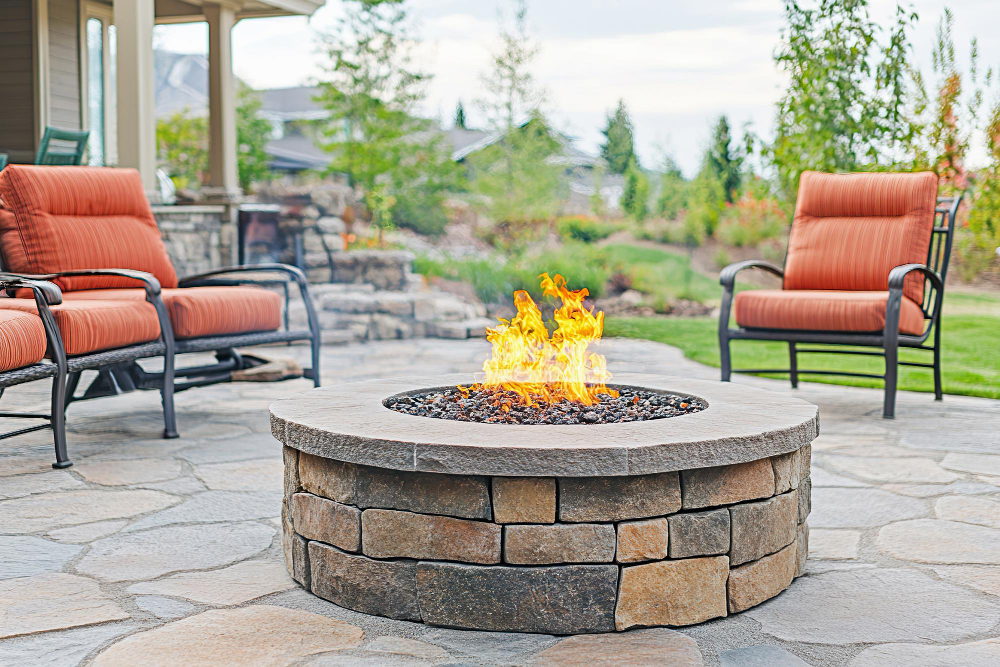
A central stone fire pit surrounded by circular seating creates a natural focal point for your backyard. Stone materials offer durability and complement a wide range of landscaping styles, from rustic to contemporary. Integrating curved benches or built-in seating keeps guests comfortably positioned around the fire.
Surrounding landscaping enhances the overall look. Low-growing plants, ornamental grasses, and flower beds soften the hard edges of stone and create a balanced aesthetic, while proper spacing allows for safe circulation without losing the cozy atmosphere.
Sunken Fire Pit Lounge
A sunken fire pit lounge offers an intimate, unique experience for backyard entertaining. Lowering the seating area a few steps below ground level creates natural privacy and shields the space from wind. Retaining walls can double as additional seating or planters, adding function alongside style.
Poured concrete, natural stone, or brick provide long-lasting surfaces that hold up to frequent use and San Antonio’s climate. Adding cushions, outdoor rugs, and subtle landscaping like flowering shrubs gives the space warmth and a sense of enclosure.
Modern Minimalist Fire Pit
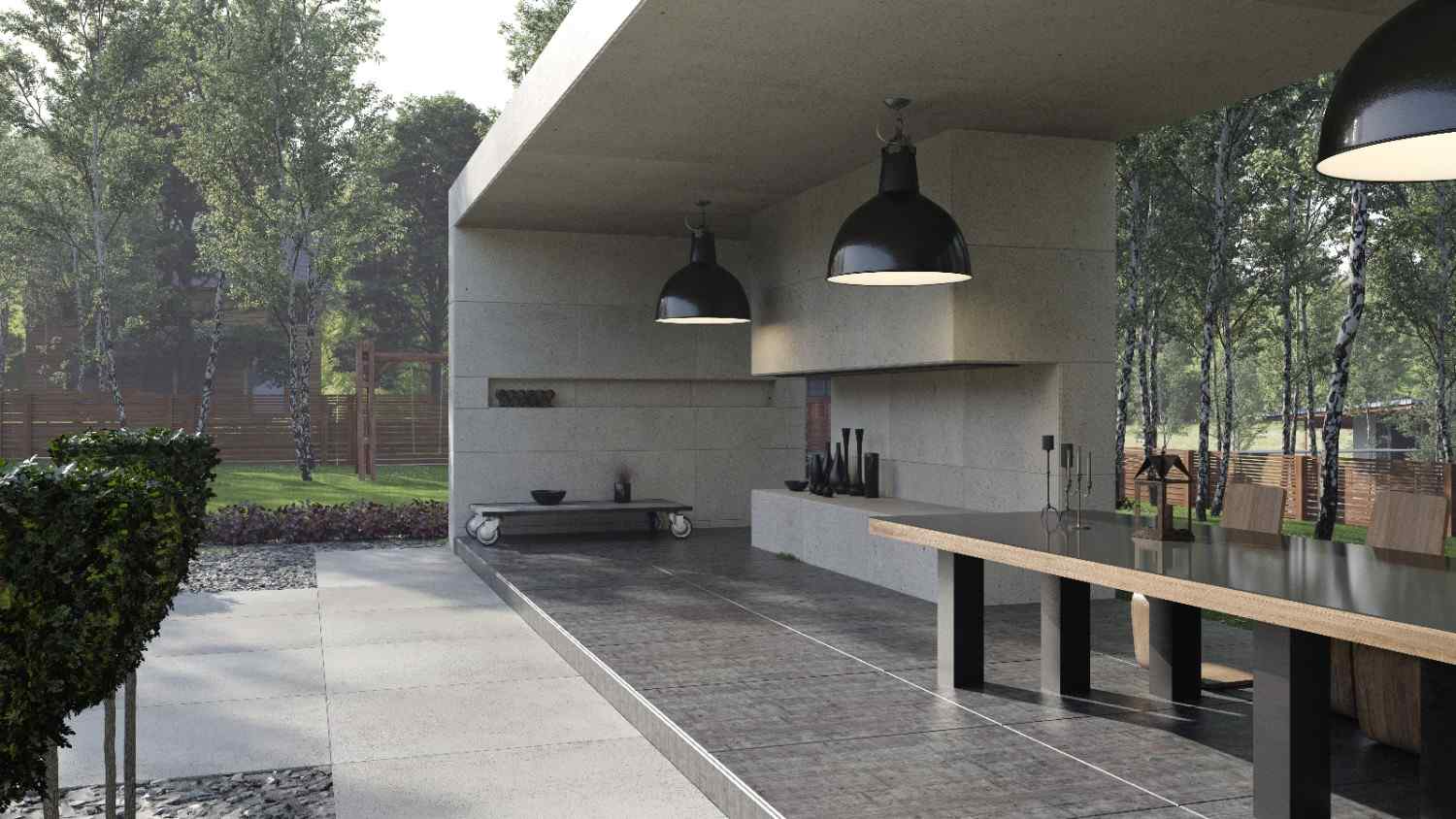
For homeowners who prefer sleek, clean lines, a modern minimalist fire pit blends form and function. Rectangular or square shapes in steel, concrete, or stone create a contemporary look, and surrounding it with simple paving stones or gravel keeps the area tidy and low-maintenance.
Linear seating or built-in benches complement the geometric design, while neutral tones and minimalist landscaping, like sculptural plants or ornamental grasses, add texture without overwhelming the space.
Rustic Stone Fire Pit with Natural Seating
A rustic stone fire pit paired with natural seating creates a warm, inviting backyard retreat. Large boulders or cut stone benches provide sturdy seating that blends with natural surroundings, and native plants or ornamental grasses around the area reinforce that organic look.
Layered landscaping with low-maintenance shrubs and flowering perennials softens the hard edges of stone, while proper placement keeps movement and sightlines around the fire safe and easy.
Patio Fire Pit with Integrated Seating
Integrating a fire pit directly into your patio design maximizes space and function. Built-in seating walls, corner benches, or modular furniture can surround a stone or concrete fire pit for a seamless look, especially when the same materials carry through from the patio.
Potted plants, raised flower beds, or small trees around the patio add shade, privacy, and greenery, while thoughtful seating arrangement keeps the space practical and welcoming for conversation.
Elevated Fire Pit Platforms
Elevated fire pit platforms add dimension to any backyard. Raising the fire pit on a stone, brick, or concrete platform makes it a focal point while creating natural separation from the surrounding landscape. Steps, planters, or retaining walls complement the platform and add both function and style.
Durable materials reduce long-term maintenance, and layering plants around the platform softens the edges and ties it into the overall landscape design.
Fire Pit with Water Feature Integration
Combining a fire pit with a water feature creates a dramatic, multi-sensory backyard experience. A small pond, waterfall, or fountain positioned near the fire pit balances the warmth of the fire with the calming effect of moving water, and surrounding plants and stones tie both elements together.
Heat-resistant stone or concrete for the fire pit improves durability, while water features should be positioned to avoid splashing onto seating areas. Good lighting highlights both elements for evening gatherings.
Fire Pit Shape Options: Round, Square, or Linear
The shape of your fire pit affects both how it looks and how people gather around it. Round fire pits are the most traditional choice and tend to encourage conversation, since everyone seated around the perimeter has an equal view of the fire and of each other.
Square or rectangular fire pits fit naturally into modern or geometric landscape designs and often pair well with built-in bench seating along the straight edges. Linear fire pits, sometimes called trough-style, are longer and narrower, working well as a sleek accent piece along a patio edge or as a centerpiece in a more contemporary outdoor layout. They put less emphasis on gathering around the flame and more on the fire pit as a visual feature.
Wood-Burning vs. Gas vs. Propane Fire Pits
Choosing a fuel type comes down to the experience you want and how much upkeep you’re willing to take on.
Wood-burning fire pits deliver the classic campfire feel, complete with crackling sound and the scent of burning wood, but they require more cleanup and regular access to firewood. Smoke can also be a factor depending on wind and proximity to seating.
Gas fire pits, typically connected to a natural gas line, offer clean, consistent burning with the flip of a switch. There’s no ash to clean up and no smoke to deal with, though installation does require running a gas line, which adds to upfront cost. As with an outdoor kitchen setup, a fire pit adds warmth and ambiance, making an outdoor kitchen deck enjoyable year-round, and gas options tend to be the easiest to integrate into that kind of build.
Propane fire pits offer similar convenience to gas without needing a fixed gas line, since they run off a portable or buried tank. They’re a good middle ground for homeowners who want push-button convenience without the gas line installation, though tanks do need to be refilled or swapped periodically.
Fire Pit Materials and Cost Ranges
Material choice affects both the look of the fire pit and what it costs to build.
Natural stone and stacked boulders create a rustic, organic look and tend to fall on the higher end of the cost range due to the labor involved in cutting and fitting the stone. Poured concrete offers a clean, modern finish at a more moderate cost, especially when a simple geometric shape is used. Brick is a reliable, mid-range option that works well in both traditional and transitional designs. Steel, often used in modern minimalist designs, ranges in cost based on the gauge and finish but generally installs faster than stone or concrete.
A basic kit-built fire pit using pavers or a steel ring tends to be the most budget-friendly option. A fully custom, built-in fire pit using natural stone or integrated seating sits at the higher end, especially once gas lines, electrical for lighting, or a sunken design are factored in. Getting an exact number for your yard depends on size, material, fuel type, and how much site work is involved, so it’s worth getting a quote based on your specific layout.
DIY vs. Hiring a Pro
A simple, portable fire pit or a basic kit using pavers can be a reasonable weekend DIY project for homeowners comfortable with basic masonry work. These setups are generally above-ground and don’t require gas lines or electrical work, which keeps the project within reach for most people.
Anything more involved, like a gas or propane fire pit, a sunken design, or a fire pit integrated into a larger patio or seating wall, is best left to a professional. Gas line installation in particular needs to meet code and be done safely, and a sunken or built-in design involves grading, drainage, and structural considerations that are easy to get wrong without experience. A professional install also helps make sure the fire pit is properly sized and placed relative to your home, fence lines, and overhead structures.
Fire Pit Safety and Placement Tips
Fire pit placement matters as much as design. Most local codes require a minimum distance, often around 10 feet, between a fire pit and any structure, fence, or overhanging tree branches, though exact requirements vary, so it’s worth checking with your municipality before finalizing placement.
Keep the surrounding area clear of dry leaves, mulch, or other flammable debris, and choose a stable, level, non-combustible surface like stone, concrete, or gravel for the fire pit to sit on. If you’re installing a gas or propane fire pit, make sure ventilation and shutoff access are part of the design from the start.
Wind direction is also worth considering during placement, especially for wood-burning designs, since smoke and sparks can drift toward seating areas or neighboring properties. Keeping a fire extinguisher or a hose nearby, and never leaving a fire unattended, rounds out the basics of safe fire pit use.
At Saylee Greer, we manage the entire process for your backyard fire pit project, from design through construction, so it’s seamlessly integrated with your landscape. Whether you’re looking for a modern minimalist design, a rustic retreat, or a custom patio integration, contact us today to schedule a consultation.
FAQ
Cost depends heavily on size, material, and fuel type. A simple paver or steel kit sits at the lower end, while a custom-built, gas-connected fire pit with integrated seating sits at the higher end.
It depends on your municipality and the type of fire pit. Gas line installation typically requires a permit, while smaller, portable, or simple wood-burning pits may not. Check with your local building department before starting.
A common guideline is at least 10 feet from any structure, fence, or overhanging branches, though local codes vary, so confirm the exact requirement for your area.
It depends on what you want. Gas offers convenience and no cleanup, while wood-burning delivers the classic crackling fire experience. Neither is objectively better, it comes down to preference and how often you plan to use it.
A simple, above-ground kit using pavers or a steel ring is a reasonable DIY project. Anything involving gas lines, a sunken design, or integration into a larger patio is best handled by a professional.