Landscape edging is the method of separating and defining distinct areas in your garden or yard. It creates visual boundaries between lawns, flower beds, pathways, and patios.
In addition to shaping spaces, edging helps maintain a clean transition between different outdoor surfaces. It can hold mulch, gravel, or soil in place while guiding the eye to each focal point of your landscape.
Understanding what edging is in landscaping allows homeowners to improve both aesthetics and functionality in their outdoor spaces.
Why Edging Matters in Your Landscape
Edging transforms ordinary gardens into structured, visually appealing spaces. It emphasizes lines and contours, guiding visitors through the landscape. A well-designed edge can highlight a flower border, a single tree, or a patio transition.
Beyond aesthetics, edging helps contain turfgrass and prevents it from spreading into planting beds. It also limits soil and mulch from spilling onto lawns, which keeps the yard tidy and reduces maintenance.
For homes in Alamo Heights, proper edging can give a polished, professional look without heavy upkeep.
Common Uses of Landscape Edging
Landscape edging serves multiple purposes. It creates crisp lines between lawns and beds, forms boundaries for shrubs and trees, and defines pathways. Taller edging, such as low fencing or short hedges, can guide visitors along designated paths and discourage foot traffic in sensitive areas.
Edging can also act as a mowing strip. Flat, firm materials provide a surface that withstands lawn mower wheels, reducing the need for hand trimming. Edging can contain loose materials like gravel or mulch along walkways, maintaining order in the landscape design.
Different Types of Landscape Edging
Edging comes in a variety of materials suited to different functions. For simple separation, a trench or shallow ditch can define a lawn from a garden bed. Wider, flat edging made of brick, stone, or pavers can serve as a mowing strip.
Taller edging, like short fences or hedges, helps protect plants and direct foot traffic. For aesthetic appeal, materials can be chosen to complement other landscape elements, such as patios or pathways.
Selecting the right type of edging depends on the desired look, functionality, and durability for your property.
Edging Styles That Enhance Outdoor Design
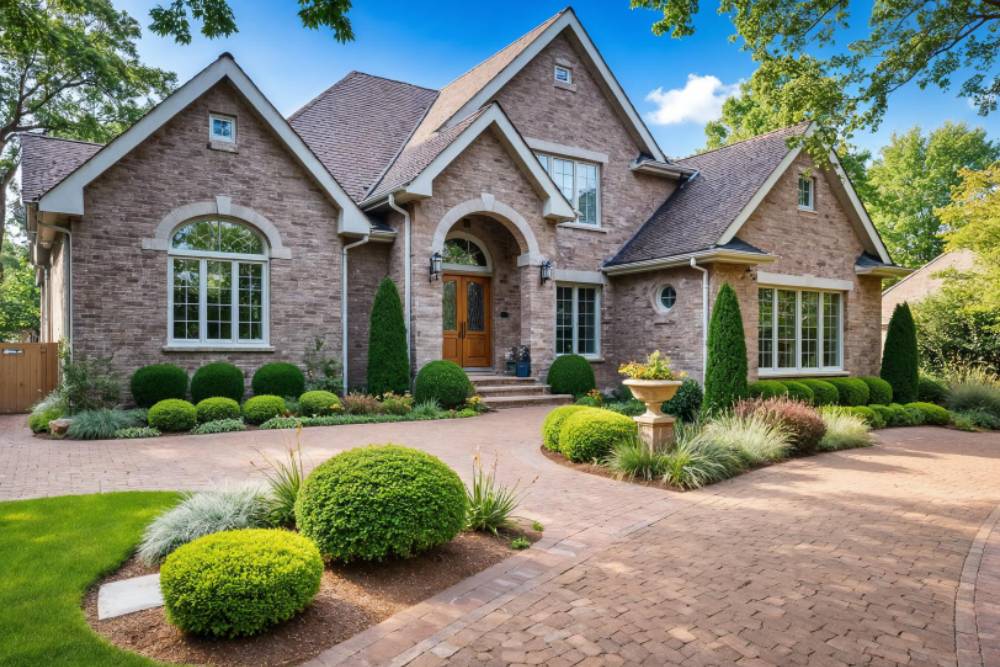
Choosing a style for landscape edging requires consideration of other elements in your garden. Brick, stone, and pavers create continuity with patios or paths. Low shrubs and hedges blend naturally into planting areas while offering defined borders.
Wood, metal, or unconventional materials like glass and tile can introduce unique accents. The style of edging can be formal or casual, depending on your garden design. Cohesion between edging and other landscape features makes the outdoor space feel intentional and well-planned.
Material Choices for Edging
Various materials can be used for landscape edging, each offering distinct advantages.
- Brick: Provides a durable and classic look, creating uniform borders.
- Stone: Versatile in appearance; can be set carefully in mortar or arranged casually.
- Concrete: Preformed sections or custom forms allow flexible installation options.
- Wood: Simple to install and adds a natural feel, though it may require replacement after several years.
- Plastic: Affordable and flexible, suitable for curved edges and small garden beds.
- Wattle: Weaving saplings like willow or dogwood creates a low, natural fence for mulch retention.
Material selection depends on function, budget, and style goals. Combining multiple materials in one landscape can highlight focal points while keeping other areas practical.
Colors and Visual Impact
The color of edging affects how garden areas are perceived. Choosing tones that contrast with or complement surrounding plants enhances visual appeal. In formal settings, uniform materials create clean lines and structure.
Casual or natural gardens can use varied tones to blend edges with softscapes. Matching edging colors to nearby patios, paths, or garden elements connects the overall design, making the landscape feel intentional.
Costs of Landscape Edging
Edging costs vary depending on material and installation complexity. Reused stone or wood may reduce expenses. Tiles, bricks, and preformed concrete can increase costs, especially when professional installation is needed.
Even when materials are affordable, labor and precision placement can impact the total investment. Planning ahead helps homeowners balance functionality, aesthetics, and budget. Edging in high-visibility areas can use premium materials, while secondary areas employ simpler options.
How to Install Landscape Edging
Installation requires careful preparation. The edge should be firmly set to prevent shifting from foot traffic, lawn mowers, or garden equipment. Trenches or dug edges should be measured and leveled.
When using heavy materials like brick or stone, setting them in a firm base or mortar enhances stability.
Flexible plastic or wood can follow curves and allow creative shapes. Proper installation increases longevity, reduces maintenance, and creates a cleaner look for your landscape.
Maintenance and Longevity
Landscape edging requires minimal upkeep if installed correctly. Inspect edges periodically for movement, especially after rain or frost. Remove debris or weeds that may grow along the border.
Organic materials like wood may need replacement over time, while stone, brick, and concrete can last decades.
Maintaining the edging keeps the garden organized, reduces labor for mowing and trimming, and preserves the overall design integrity.
Inspiring Uses of Edging in Your Garden
Edging can define zones for patios, seating areas, vegetable gardens, and flower beds. It can frame a fire pit or outdoor kitchen, creating distinct functional spaces in your yard. Combining hard materials with softscapes, such as colorful flowers or low shrubs, balances practicality with beauty.
Curved edges soften the garden flow, while straight lines create a more structured appearance. Thoughtful use of edging elevates both residential and commercial landscapes.
Our design and build services integrate softscape and hardscape elements, including expert installation of landscape edging. By managing both design and construction, we create cohesive, functional, and visually appealing outdoor spaces.
Learn more about softscape options that work seamlessly with edging for lasting beauty.
Let Saylee Greer Transform Your Yard
Here at Saylee Greer, we combine years of landscape design and construction experience to create outdoor areas that feel intentional and refined. We guide Alamo Heights homeowners in choosing materials, styles, and layouts that define each space beautifully. Proper landscape edging is a key tool in shaping functional and visually appealing yards.
Call or email us to explore how your garden can benefit from professional design and build services.