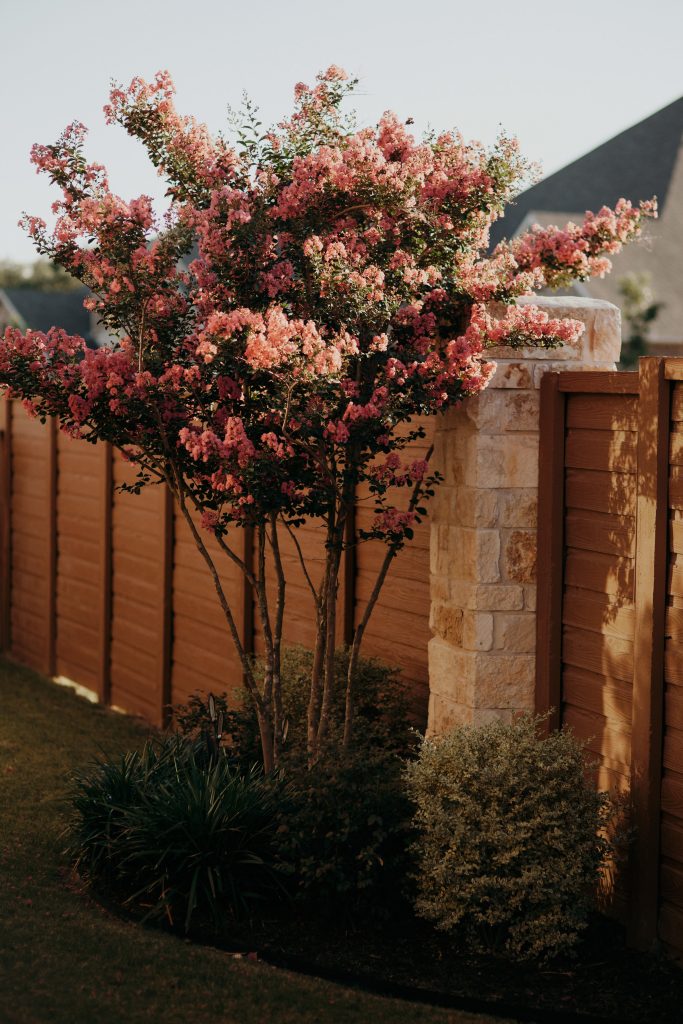
Why to prune in the first place? Here are several spring pruning tips to help you understand and work on the process.
Many spring-flowering shrubs become straggly, take up more space, become horribly shapeless and will flower less unless pruned every year.
Cutting out the deadwood allows the plant to breathe more and allows light into the interior for healthier growth and less danger of disease.
“The basic rule of thumb is that if a plant flowers before mid-June, prune it in the spring after flowering; if it flowers later, prune it in late winter or early spring.” -GardenersPath
In other words, if you have any summer flowering plants, they will need to be pruned in the spring. Even late summer blooming plants can benefit from a light pruning too. Cutting off any deadwood from trees, shrubs or flowering plants will be beneficial as it will open them up for oxygen and light, which will in turn create growth. If you need help apart from these spring pruning tips, give us a call and we can help manage your outdoors with expert landscaping.
It’s also important to use the right tools when pruning to ensure clean cuts that help plants heal properly. Sharp pruning shears or loppers will reduce damage to the stems and prevent tearing. Make angled cuts just above a healthy bud to encourage new growth in the desired direction. Remember to remove any crossing branches that rub against each other, as they can cause wounds that invite pests and diseases. If you notice any signs of disease on your plants while pruning, be sure to clean your tools between cuts to prevent spreading it further. Regular spring pruning will keep your plants looking neat, encourage better blooms, and help maintain the overall health of your landscape.